How vocabulary and reading comprehension are related
and how technology aid them.
Reading is an active
activity that involves the reader with the text. How students L2 acquire the
reading skill is very important, because through readings learners make use of
variety of skills and strategies, combined with background knowledge. In fact,
vocabulary plays an important role in the reading comprehension process. For instance,
a fluent L2/FL reader need to know about 2,000 to 7,000 words and sometimes
even more if they want to reach native-like fluency. And for understanding of
academic text is required to know at least of 7,000 words. So that, a reader
has to recognize 95% of word in whatever text to comprehend it, and he or she
has to know the different meanings and the grammatical properties of word
according to the context. This means that vocabulary and reading are inter-related
because a good reader has a rich vocabulary, and vocabulary is the key that ensure
reading proficiency.
Furthermore, teachers are
aid though with some technological resources. For instance, or vocabulary acquisition,
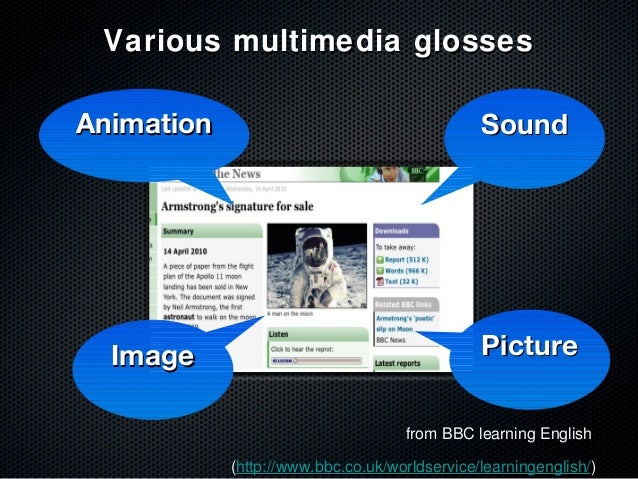
instructors could make great use of technology by using multimedia glossed
texts, electronic dictionaries, corpora and concordance software, as well as
various vocabulary-building software. Moreover, full glossing seems to be the
best facilitator of vocabulary acquisition and reading comprehension, as
opposed to little or non-glossed texts. In addition, best results in retention
are provoke by picture + text annotations, whereas pronunciation, video, and
audio glosses seem to correlate negatively with reading comprehension. However,
not all of them are significant for classroom instructions. There are some
materials are focus on a specific skill, while other on a wide range of skill
and strategies. This means that teachers have to select materials that motivate
students and materials appropriate for their level.
To sum up, the vocabulary
must be taught first in order to improve the reading comprehension in the learns.
Teachers are aid through technology. Like, multimedia glosses for vocabulary
and reading development, multimedia-enhanced electronic dictionaries designed
specifically for English language learners, and which have several built in
aids that their book counterparts cannot provide and other multimedia task
that contain various types of content,
such as text, audio, video, graphics, animation, and interactivity.
I will give to this article 5 stars

Hello grisel, i agree with you in your point of view about the articles because it is true that the readings are related with vocabulary context because when people read they discovered new words and also reading skill help to students to increase their reading comprehension.
ReplyDelete